
AI in Retail:AI in E-commerce: How Recommendation Engines Drive Revenue
Modern online shoppers expect highly relevant experiences. They want products, offers, search results, and content tailored to their interests and behavior.
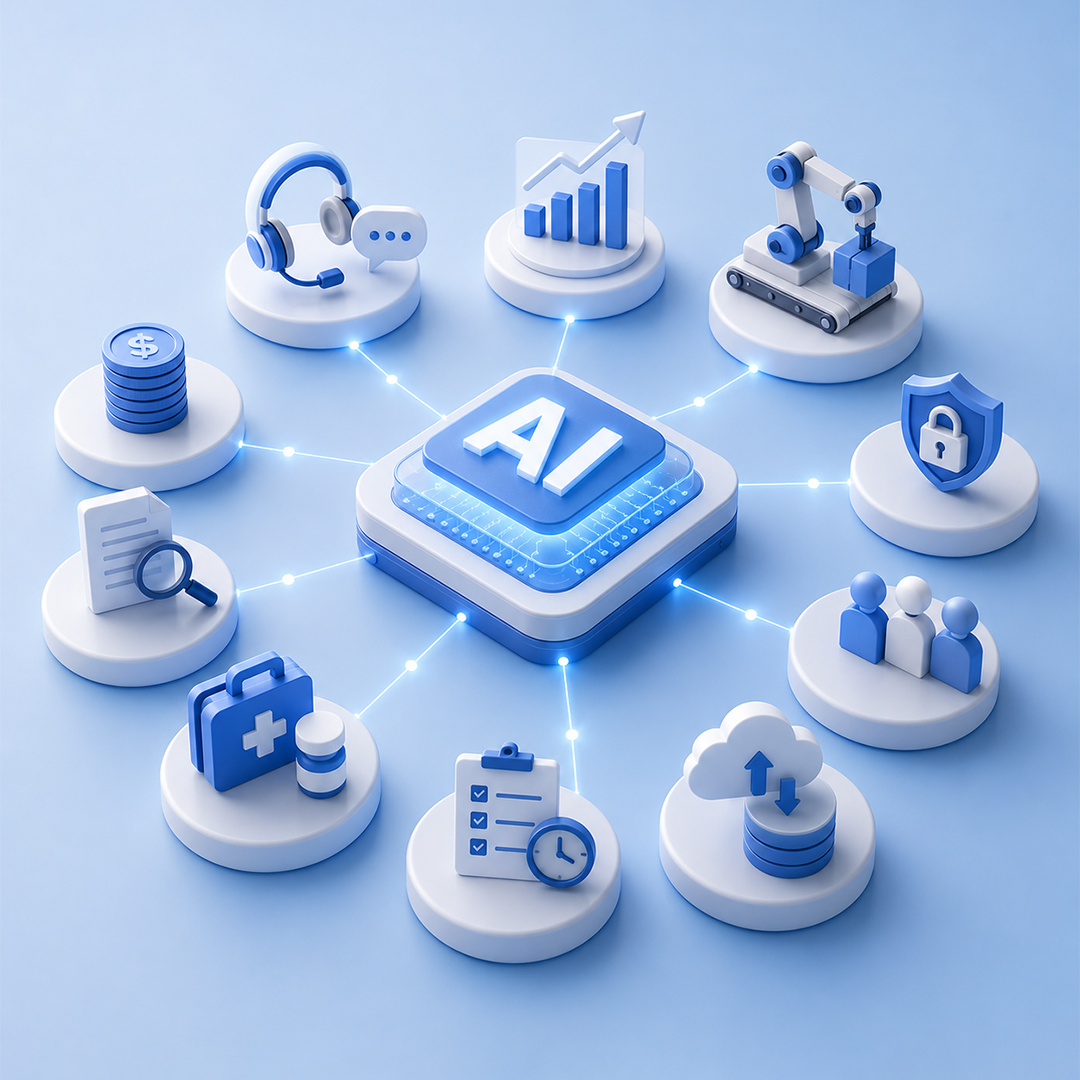
This is where AI in ecommerce creates significant value. Recommendation engines have become one of the most impactful AI applications because they help businesses personalize customer experiences at scale, improve product discovery, increase retention, and support smarter merchandising decisions.
Rather than replacing merchandising or marketing teams, AI helps them make faster, more informed decisions based on customer data and behavioral patterns.
What Is AI in E-commerce?
AI in e-commerce refers to the use of artificial intelligence technologies such as machine learning, recommendation systems, predictive analytics, natural language processing, computer vision, and generative AI to improve online shopping experiences, personalize customer interactions, optimize merchandising decisions, forecast demand, and automate operational processes.
AI helps e-commerce businesses analyze customer behavior, identify patterns, predict preferences, and deliver relevant experiences throughout the customer journey. By transforming customer and product data into actionable insights, AI enables retailers to improve engagement, increase conversion opportunities, enhance customer loyalty, and support more efficient business operations.
What Is a Recommendation Engine?
A recommendation engine is an AI-powered system that analyzes customer behavior, preferences, purchase history, browsing activity, and product relationships to suggest relevant products or content.
Recommendation engines continuously learn from user interactions to improve recommendation quality over time. In e-commerce, they help customers discover products more easily while helping retailers increase engagement, cross-selling opportunities, average order value, and customer retention.
Why Recommendation Engines Matter
Recommendation engines help solve several common e-commerce challenges:
The 12 Most Important Recommendation Engine Use Cases
1. Product Recommendations on Product Pages
Suggest related products to improve discovery and purchase decisions.
2. Frequently Bought Together Suggestions
Recommend complementary products commonly purchased together.
3. Personalized Homepages
Display products based on customer interests and browsing behavior.
4. Personalized Search Results
Prioritize search results most relevant to individual shoppers.
5. Cross-Sell Recommendations
Suggest complementary products during the buying journey.
6. Upsell Recommendations
Recommend premium or higher-value alternatives.
7. Personalized Email Recommendations
Deliver relevant product suggestions through marketing campaigns.
8. Mobile App Recommendations
Provide personalized experiences inside mobile commerce applications.
9. Personalized Promotions
Match offers and discounts to customer preferences.
10. Replenishment Recommendations
Suggest repurchases for consumable or recurring products.
11. Loyalty Program Personalization
Customize rewards and incentives for different customer segments.
12. Post-Purchase Recommendations
Recommend additional products after a completed purchase.
Types of Recommendation Engines
| Recommendation Type | How It Works | Best Use Cases |
|---|---|---|
| Collaborative Filtering | Uses behavior from similar users | Product recommendations |
| Content-Based Filtering | Matches product attributes to preferences | Personalized discovery |
| Hybrid Recommendations | Combines multiple approaches | Large e-commerce platforms |
| Popularity-Based Recommendations | Recommends trending products | New customers |
| Context-Aware Recommendations | Considers timing and context | Omnichannel experiences |
Building an E-commerce Recommendation Strategy
Phase 1: Collect Customer Data
Establish reliable customer and product data sources.
Phase 2: Define Personalization Goals
Align recommendations with business objectives.
Phase 3: Launch Recommendation Pilots
Test high-impact use cases first.
Phase 4: Measure Revenue Impact
Track engagement and commercial outcomes.
Phase 5: Optimize and Scale
Expand successful initiatives across channels.
How Recommendation Engines Work
Customer Behavior Analysis
AI analyzes browsing history, purchases, clicks, searches, and engagement patterns.
Product Relationship Analysis
The system identifies relationships between products and customer preferences.
Machine Learning Models
Algorithms continuously improve recommendations based on customer interactions.
Continuous Optimization
Performance data helps recommendation quality improve over time.
Real-World E-commerce Example Scenarios
Example 1: Fashion Retailer Product Recommendations
Challenge: Low product discovery.
AI Solution: Personalized product recommendations.
Expected Outcomes: Improved engagement and larger baskets.
Example 2: Grocery Replenishment Recommendations
Challenge: Encouraging repeat purchases.
AI Solution: Predictive replenishment suggestions.
Expected Outcomes: Higher retention and repeat ordering.
Example 3: Electronics Cross-Sell Strategy
Challenge: Missed accessory sales.
AI Solution: AI-driven bundle recommendations.
Expected Outcomes: Increased average order value.
Example 4: Marketplace Personalization
Challenge: Large product catalogs.
AI Solution: Personalized search and homepage recommendations.
Expected Outcomes: Better discovery and customer satisfaction.
Benefits of AI Recommendation Engines
Improved Product Discovery
Customers find relevant products faster.
Increased Conversion Rates
Relevant recommendations improve purchasing decisions.
Higher Average Order Value
Cross-selling and upselling opportunities increase.
Better Customer Retention
Personalized experiences encourage repeat purchases.
Improved Customer Satisfaction
Customers receive more relevant shopping experiences.
More Effective Marketing
Campaigns become more targeted and efficient.
Faster Merchandising Decisions
Teams gain actionable customer insights.
Revenue Growth Opportunities
Personalization creates more opportunities for engagement and sales.
Challenges and Risks
1. Limited Customer Data
New businesses may lack sufficient behavioral data.
2. Cold Start Problems
Recommendations can be difficult for new users and products.
3. Privacy Concerns
Customer data requires responsible governance.
4. Recommendation Bias
Algorithms may over-promote certain products.
5. Integration Complexity
Connecting systems can require significant effort.
6. Poor Data Quality
Inaccurate data reduces recommendation effectiveness.
7. Over-Personalization
Excessive personalization can reduce product discovery.
8. Measurement Difficulties
Success metrics must be clearly defined.
Measuring Recommendation Engine Success
1. Conversion Rate
Measures purchase activity influenced by recommendations.
2. Average Order Value
Tracks basket size improvements.
3. Revenue Per Visitor
Evaluates overall commercial performance.
4. Click-Through Rate
Measures recommendation engagement.
5. Customer Retention Rate
Tracks repeat customer behavior.
6. Repeat Purchase Rate
Measures purchasing frequency.
7. Engagement Metrics
Monitors browsing and interaction patterns.
8. Recommendation Revenue Contribution
Assesses revenue influenced by recommendation systems.
E-commerce Recommendation Engine Assessment Worksheet
Customer Data Readiness
Do we have sufficient behavioral and transaction data?
Product Catalog Quality
Are product attributes accurate and complete?
Personalization Opportunities
Which customer journeys need improvement?
Technology Assessment
Can current systems support recommendations?
Pilot Use Cases
Which recommendation scenarios offer quick wins?
Success Metrics
How will performance be measured?
Scaling Priorities
How will successful pilots expand across channels?
The Future of AI in E-commerce
Key trends shaping the future include:
Organizations that combine strong data foundations with responsible AI practices will be best positioned to create differentiated customer experiences.
Frequently Asked Questions
Conclusion
Recommendation engines remain one of the highest-impact AI applications in e-commerce. They help businesses improve product discovery, personalize customer experiences, and support smarter merchandising decisions.
Long-term success depends on strong data foundations, continuous optimization, responsible governance, and a clear focus on customer value.
Scale Personalization Responsibly
As e-commerce businesses work to create more personalized shopping experiences, recommendation engines remain one of the most valuable AI investments available.
Kambaa helps retailers and digital commerce businesses design, implement, govern, and scale AI-powered recommendation engines, personalization platforms, merchandising intelligence systems, and customer engagement solutions.